
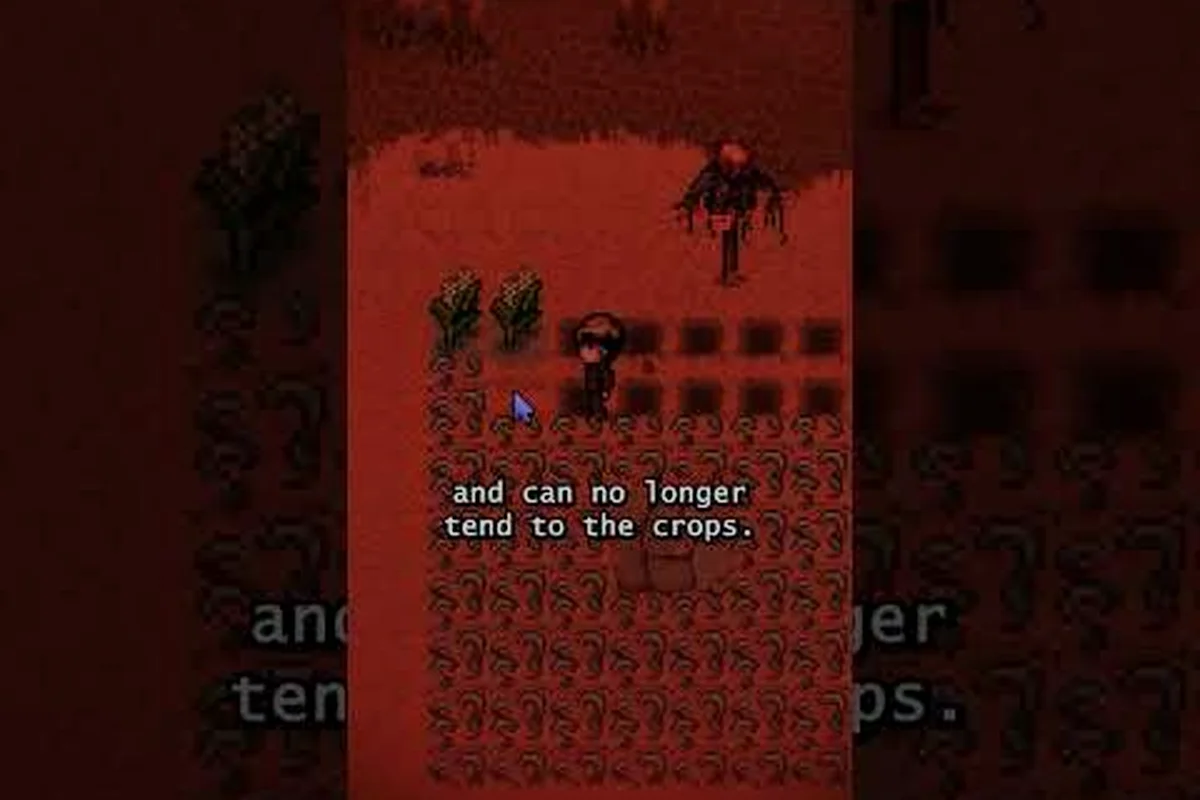
Autumn in Elderfield rewards players who plan their fields before the first frost rolls across the moors. The season rotates the seed shop into its strangest catalog, and the harvests you stage in October directly feed your winter crops, your eldritch crafting bench, and your shrine offerings through year one. Welcome to Elderfield autumn crops include the practical standbys like pumpkin farming and corn farming, alongside two occult staples that have no real-world equivalent: the eyeball crops that bulge from tilled soil, and the teeth crops that sprout in clattering clusters.
According to the official Welcome to Elderfield Steam page, farming blends Stardew Valley-style rhythm with Lovecraftian crop tiers, and autumn is when the eldritch seed rotation hits its highest yield window. Players who set up 3x3 grids of matching crops under high sanity moon phases can trigger giant crop rolls, which is one of the cleanest ways to bankroll the next season.
Autumn Seed Shop Rotation and Crop Tier Overview
| Crop | Category | Season | Harvest Condition | Primary Use |
|---|---|---|---|---|
| Pumpkin | Mundane | Autumn | Standard growth cycle | Cooking for energy replenishment |
| Corn | Mundane | Autumn | Standard growth cycle | Cooking for energy replenishment |
| Spectral Flower | Mundane | Autumn | Blooms only at twilight | Artisan preserves (high resale margin) |
| Autumn Squash | Mundane | Autumn | Standard growth cycle | Cooking for energy replenishment |
| Teeth Crop | Occult | Autumn | Requires eldritch mulch fertilizer | Shrine offerings / specialized crafting |
| Pulsating Eyeball Tuber | Occult | Autumn | Must be harvested before nightmare apparitions claim it at night | Combat potion ingredient / occult currency |
Autumn in Elderfield runs for 28 in-game days, and the seed shop re-stocks its shelves on the first of every month. The autumn rotation is the widest of the year, with fourteen base seeds plus two occult varieties that only appear after you have unlocked the eldritch shrine at farming level 4. According to the Elderfield patch notes on Steam, the seed shop stocks rotate between spring, summer, and autumn seasons, and autumn is the only window where eldritch seeds and the lunar pumpkin variant are both available on the same day.
Crop Tier Breakdown
The autumn rotation is split into three value tiers, and most players plant a mix of all three to balance cash flow against shrine offerings and winter field prep. Here is how the main crops compare on base value, days to mature, and best end use.
| Crop | Buy Price | Sell Price | Days to Mature | Regrows? | Primary Use |
|---|---|---|---|---|---|
| Pumpkin | 120g | 280g | 13 | No | Winter crops seed bank, giant crop roll |
| Corn | 80g | 150g | 14 | Yes (4 days) | Welcome to Elderfield corn farming profit loop |
| Autumn Squash | 95g | 180g | 11 | No | Cooking recipes, energy meals |
| Eyeball Tuber | 220g | 480g | 16 | No | Eldritch crafting, shrine offering |
| Teeth Cluster | 260g | 520g | 18 | No | Eldritch crafting, alchemy potions |
| Spectral Flower | 140g | 320g | 12 | No | Artisan preserves, high-margin resale |
| Lunar Pumpkin | 400g | 950g | 15 | No | Giant crop roll, year-one gold spike |
The teeth and eyeball crops are the marquee draws, and they are the two entries that veteran players most often block out an entire field for. The lunar pumpkin is expensive to seed but pays back its 400g investment roughly 2.4x when it lands a giant crop, which is a separate 3x3 grid roll that pays out nine full crops at once.
Eldritch Seed Availability
The eldritch seed rotation is gated behind three small progression checks, and most new players miss at least one of them during their first autumn in Welcome to Elderfield. The two relevant seeds are the eldritch pumpkin (unlocked after donating 15 specimens to the Autumn Collection board) and the eldritch corn stalk (requires reaching friendship tier 3 with the Hollow Orchard NPC before Day 14). Because the autumn harvest window closes on Day 22, players who don't prep both unlocks in parallel will lose the entire rotation and have to wait for next year's autumn crops cycle.
-
Eyeball Tuber Seeds — unlocked by reaching farming level 4 and donating one pumpkin to the Harvest Shrine east of the town square
-
Teeth Cluster Seeds — unlocked by completing the Blacktooth Farm questline, which only triggers after you have cleared the southern tentacle patch during the second week of autumn
The teeth crop is the slower of the two, but its 520g base sell price and its role in alchemy potions make it the more valuable long-term hold. Community reports from the Welcome to Elderfield Steam Community suggest that teeth clusters are the single best seed to plant in your back field during year one, because their alchemy value compounds once you start brewing nightmare-resistance potions for the winter dungeon.
Welcome to Elderfield Eyeball Crops and Teeth Crops
The two occult staples behave differently from every other seed in the catalog, mostly because they only thrive under specific conditions and they are both vulnerable to a unique pest that does not touch mundane crops. Welcome to Elderfield eyeball crops and teeth crops also have separate fertilizer interactions, which is where most players either lock in a profit or watch their field go sideways for the season.
Field Prep and Fertilizer Timing
Both occult crops respond to eldritch mulch, which is a fertilizer variant that can only be crafted at the eldritch crafting bench. According to the Elderfield patch notes, eldritch mulch cuts grow time by 25% and raises the chance of a giant crop roll by roughly 8%, which is a meaningful bump for both crops. Players should also note that the standard organic fertilizer from the compost bin does not stack with eldritch mulch, so use one or the other per tile rather than doubling up.
The two crops have different soil preferences: corn performs best in loamy, nitrogen-rich beds with a pH between 6.0 and 6.8, while pumpkins tolerate heavier clay-loam plots as long as drainage is improved with a raised bed. Because Welcome to Elderfield autumn crops share the same Field Prep phase, applying compost two weeks before sowing corn and adding sand amendments for pumpkin rows prevents the stunted-growth bug tied to compacted soil in the south field.
-
Eyeball Tuber prefers tilled soil that has been watered the previous day, and it visibly wilts if the field is left dry for more than 36 in-game hours
-
Teeth Cluster is more drought-tolerant but requires a stone pathway border on at least two sides of its 3x3 grid, otherwise tentacle creep from the forest edge can choke the cluster before it matures
This is also the section where the broader planting routine ties back to base mechanics. If you are still working out your tilling and watering cadence, the how to buy seeds guide walks through the full seed shop interaction and the early-game sprinkler setup, which is the cleanest way to keep an occult field hydrated without burning through energy bars every morning.
Pest and Tentacle Management
The biggest threat to an autumn occult field is the tentacle sprawl that crawls in from the forest borders. According to the Steam Community discussion on farming optimization, players who build stone pathways on the two forest-facing edges of their field report a tentacle infestation rate that drops by roughly 60% over a full season. Axes and scythes are both effective at clearing stray tentacles, and each cut drops tentacle sinew, which is one of the ingredients in eldritch mulch.
Eyeball tubers are also occasionally targeted by a nocturnal apparitions event that only triggers after 9 PM in-game. Spectral apparitions will try to claim eyeball clusters before you can harvest them, and the only safe window is to harvest at first light on the day they mature. Players who want to keep their field overnight should plant eyeball tubers in the southern half of the field, which is closer to your farmhouse and gives you a shorter run if an apparition triggers.
Pumpkin Farming and Corn Farming Profit Loops
Mundane autumn crops are the boring backbone of the season, and that is exactly why they matter. Welcome to Elderfield corn farming generates a steady cash flow that funds your eldritch seed purchases, and pumpkin farming stocks the seed bank for your winter crops rotation.
Corn Farming as a Cash Engine
Corn is the only autumn crop that regrows after harvest, which makes it the cleanest profit loop in the season. Each corn stalk yields 150g base and regrows every four in-game days, which works out to roughly 1,050g per stalk over a full 28-day autumn if you water it consistently and apply organic fertilizer on day one.
A 4x6 grid of corn, watered with a tier-2 wooden sprinkler, generates around 25,200g of raw cash over the season. That is enough to fully fund a 3x3 grid of teeth clusters and still leave seed money for winter. Community testing on the Steam Community board pegs corn as the most reliable autumn seed for first-year players who are still building up their tool tier.
Pumpkin Farming for Winter Prep
Pumpkin is the slower of the two crops, but it is the foundation of your Welcome to Elderfield winter crops rotation. Pumpkins can be processed at the preserves jar into pumpkin puree, which is a required ingredient in the winter seed vendor's stock. Without a stocked pantry of pumpkin puree, the winter seed rotation locks out roughly a third of its catalog, including the frost pumpkin and the pale cabbage variants.
Pumpkin also has the best giant crop odds in the autumn rotation, because the 3x3 grid roll works the same way it does in Stardew Valley and there is no skill check or moon-phase dependency. The trade-off is that pumpkins take 13 days to mature and do not regrow, so a single bad week of watering wipes out a full grid. According to the Kwalee game spotlight on Welcome to Elderfield, the pumpkin giant crop roll pays out nine full pumpkins at once, which is enough to bankroll the first winter shrine offering and still have surplus for seeds.
Side-by-Side Profit Comparison
| Strategy | Total Cash (28 days) | Seed Cost | Net Profit | Side Benefit |
|---|---|---|---|---|
| 4x6 Corn Grid | 25,200g | 1,920g | 23,280g | Regrows 7 times, low effort |
| 4x6 Pumpkin Grid | 30,240g | 2,880g | 27,360g | Giant crop roll, winter seed bank |
| 3x3 Teeth Grid | 14,040g | 2,340g | 11,700g | Alchemy ingredient, shrine offering |
| 3x3 Eyeball Grid | 12,960g | 1,980g | 10,980g | Eldritch crafting, fastest occult unlock |
| 3x3 Lunar Pumpkin Grid | 8,550g | 3,600g | 4,950g | 950g base per crop, year-one gold spike |
The profit numbers assume consistent watering with a tier-2 wooden sprinkler and one application of organic fertilizer on planting day. The lunar pumpkin is a worse raw profit pick than corn or pumpkin, but its giant crop potential makes it a reasonable hedge if you have a moon-phase tracker and a buffer of cash to absorb the seed cost.
Winter Crops Transition and Field Carryover
Autumn does not end cleanly. The last seven in-game days of the season overlap with the first wave of frost, and any crop that is still on the field when the season flips is destroyed. Welcome to Elderfield winter crops require a separate seed purchase, and they only become available once the season tick rolls over on day 29.
End-of-Autumn Checklist
The last week of autumn is the most common place for first-year players to lose value, and the cleanup sequence is worth running on autopilot, especially once your autumn crops — corn and pumpkin fields, plus any leftover eldritch seeds you planted late — are ready to clear before the snow reset. Here is the order experienced players report using:
-
Harvest every mature crop by day 26 to leave a two-day buffer before the season flip
-
Process pumpkins and autumn squash into preserves on day 27, because preserves keep their sell value through the winter season while raw crops spoil
-
Clear all dead stalks and till the field on day 28 to reset the soil quality bonus
-
Stock the seed shop on day 29 with at least 800g reserved for the winter rotation, which includes frost pumpkin, pale cabbage, and the glacial teeth occult variant
If you are still building out the rest of your farming loop, the broader farming guide covers the full seasonal rotation and tool upgrade path, which gives the winter transition a longer context than this article can fit in one section.
Giant Crop Rolls and the Moon-Phase Bonus
Giant crop rolls only fire when a 3x3 grid of the same matching crop matures on the same day, and the roll has a roughly 1% base chance per grid in autumn. That number climbs to around 4-5% if the maturation day falls on a high sanity moon phase, which is the in-game tracker that shows up in the upper-right HUD during the last week of each season.
According to the patch notes, the moon-phase bonus is the cleanest single buff you can stack for autumn. Players who plan their planting day to align with the moon tracker report a giant crop roughly every other autumn, which is enough to flip a 3x3 lunar pumpkin grid from a marginal bet into the season's biggest payout.
Frequently Asked Questions
What is the best autumn crop for first-year players in Welcome to Elderfield?
Corn is the safest pick because it regrows every four days and generates a steady 1,050g per stalk over the season. A 4x6 corn grid watered with a wooden sprinkler produces around 23,000g of net profit, which is more than enough to fund eldritch seed experiments and the winter rotation.
How do I unlock the eyeball and teeth crops?
Reach farming level 4 and donate one pumpkin to the Harvest Shrine east of the town square to unlock eyeball tuber seeds. The teeth cluster seed is gated behind the Blacktooth Farm questline, which only triggers after you clear the southern tentacle patch during week two of autumn. The full unlock path is the same one used to unlock eldritch seeds in the broader rotation.
Do autumn crops carry over into winter?
No, all unharvested autumn crops are destroyed on the season flip. Process pumpkins and autumn squash into preserves before day 28, and reserve at least 800g for the winter seed rotation. The glacial teeth occult variant only becomes available once the winter shop opens, so save your teeth cluster harvest for alchemy rather than carryover.
Should I plant a 3x3 grid of the same crop for the giant crop bonus?
Yes, but pick the crop based on your cash buffer rather than chasing the moon-phase bonus alone. A 3x3 lunar pumpkin grid costs 3,600g to seed and only nets 4,950g without a giant roll, so it is a hedge rather than a profit engine. Corn and pumpkin both have better risk-adjusted returns for first-year players.
Can I use organic fertilizer and eldritch mulch on the same tile?
No, the two fertilizers do not stack. Eldritch mulch cuts grow time by 25% and raises the giant crop chance, while organic fertilizer is a pure growth boost. Use one or the other per tile, and reserve eldritch mulch for your occult fields since it is the more expensive of the two to craft.