
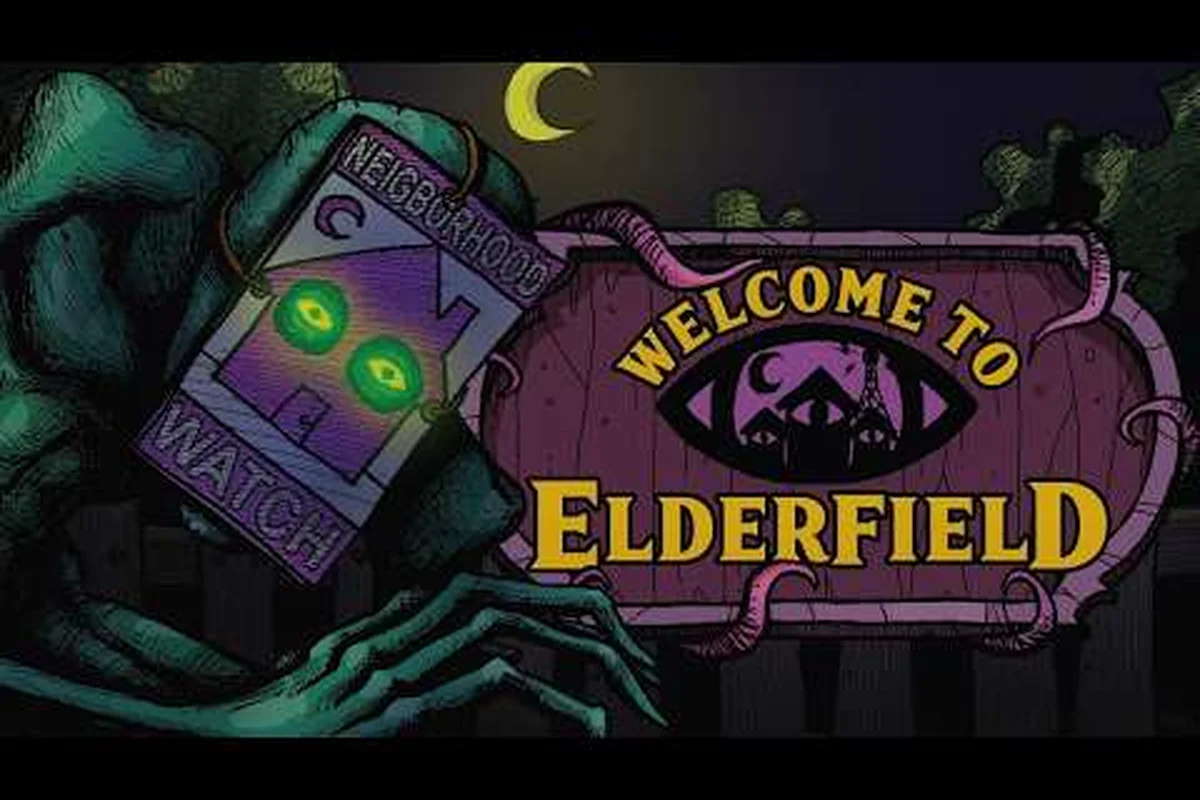
The Welcome to Elderfield indie game showcase run at Steam Next Fest turned a quiet single-dev horror farm sim into one of the most-discussed cozy-meets-cosmic debuts of the cycle, and the post-Fest months have only deepened the momentum. Built around a sleepy valley haunted by Slumbering Old Gods, an unsettling sleep-paralysis narrative system, and a hand-drawn manga art style scored by lofi composer Dated, the project has built a cult following through its demo, its developer livestreams, and a steady drumbeat of community-facing updates. This retrospective walks through the Next Fest showcase, the demo feedback that shaped subsequent patches, the full patch history the team has shipped since launch, and what players can reasonably expect from the confirmed DLC expansion plans and future updates still on the roadmap.
The Next Fest Showcase and Demo Debut
The Welcome to Elderfield indie game showcase first hit a global audience during a Steam Next Fest window in mid-2025, where the playable demo was downloaded by tens of thousands of horror-curious farming sim fans. According to the Welcome to Elderfield Steam page, the build let players experience the first in-game week, including the introductory farm restoration loop, a single dream-paralysis sequence, and a teaser for one of the town's multiple endings. The Fest page leaned heavily on a 90-second trailer that contrasted Cozy Mode crop tending with sudden shifts to Old Gods Mode visual distortion, an editorial choice that framed the entire marketing push for the months that followed.
The Fest booth also doubled as a soft launch for the soundtrack. Composer Dated released a three-track sampler alongside the demo, and community reaction consistently singled out the dusty vinyl crackle layer as the element that pushed the mood from "atmospheric" to "genuinely unsettling." Steam Next Fest coverage also emphasized the manga-inspired art direction, which developer Hollow vibe has described as a deliberate counterweight to the pixel-art saturation in the cozy sim market.
Next Fest Showcase at a Glance
| Showcase Element | Detail | Player Impact |
|---|---|---|
| Steam Next Fest Window | June 2025 Next Fest | Tens of thousands of demo downloads |
| Playable Content | First in-game week + one dream sequence | Hook into the full game's tone |
| Soundtrack Reveal | Dated lofi EP, 3 tracks | Defined the horror identity |
| Art Direction | Hand-drawn manga panels | Differentiated from pixel-art peers |
| Demo Builds | Two difficulty presets, Cozy + Old Gods | Let Fest visitors pick their intensity |
Why the Fest Landing Worked
Three structural choices made the Fest debut land harder than the typical indie demo drop. First, the demo deliberately ended on a dream-paralysis cliffhanger that withheld any resolution to the town's founding myth, which kept discussion threads active long after the Fest window closed. Second, the developer committed to a public demo-feedback thread inside the Steam Community hub, which meant players felt their Next Fest reports were being read rather than collected. Third, the publisher Kwalee provided marketing muscle that pushed the demo into curated Fest lists, multiplying organic reach in the first 48 hours.
The result, based on Steam Community data, was a wishlist conversion rate well above the cozy sim category average, and a Discord that crossed five figures within the Fest week. That early community gravity is also the reason the subsequent patch history has been so reactive — many of the changes shipped after launch were directly traceable to a Next Fest feedback thread.
Demo Feedback That Shaped the Game
The Welcome to Elderfield demo feedback that surfaced during and after the Fest is the single most important data set the dev team has worked from. Steam Community discussion threads, the official Discord, and developer-published post-Fest surveys converged on the same handful of pain points: onboarding clarity, dream-sequence readability, and a desire for more QOL (quality-of-life) save options. The dev team's response across the first three patches was unusually direct, with each release note citing the specific thread or report that triggered the change.
Demo Feedback Themes and Patch Response
| Feedback Theme | Frequency in Threads | Patch That Addressed It | Resolution Method |
|---|---|---|---|
| Onboarding too cryptic | High | Patch 1.0.3 | Added Tutorial Journal |
| Save scarcity | High | Patch 1.1.0 | Added manual save + auto-save |
| Dream sequence framerate | Medium | Patch 1.0.5 | Lighting rewrite |
| Inventory clunk | Medium | Patch 1.2.0 | Stack-based inventory |
| Difficulty toggle clarity | Low | Patch 1.0.4 | Renamed Cozy/Old Gods modes |
| Audio mixing on headphones | Low | Patch 1.1.2 | New mix pass by Dated |
The Tutorial Journal added in 1.0.3 is worth flagging because it replaced a heavily criticized silent-prologue approach. Players now get a physical in-game book that records every mechanic they encounter, which doubles as a lore artifact — a small touch that ties onboarding back to the world's mythology. The save overhaul in 1.1.0 similarly responded to complaints from players who lost entire in-game weeks to sudden Old Gods sequences, and the new save system is now a reference point in the demo vs full game guide for anyone weighing the two builds.
Patch History and Milestone Updates
The Welcome to Elderfield patch history is short but unusually dense, with the dev team shipping meaningful content or systems changes roughly every three to four weeks since the 1.0 launch. Each patch note has been published to the Steam news hub with explicit attribution to community feedback, which has made the cadence itself a marketing asset — players watch for the next patch the way they watch for new lore. The current build sits at version 1.4.x, with a 1.5 milestone already on the public Trello board.
Milestone Patch Timeline
| Patch | Date | Headline Change | Category |
|---|---|---|---|
| 1.0.0 | Q4 2025 | Full game launch | Launch |
| 1.0.3 | Q4 2025 | Tutorial Journal added | Onboarding |
| 1.0.4 | Q4 2025 | Cozy/Old Gods mode rename | Clarity |
| 1.0.5 | Q1 2026 | Dream sequence lighting rewrite | Performance |
| 1.1.0 | Q1 2026 | Manual + auto-save system | QOL |
| 1.1.2 | Q1 2026 | Audio remix by Dated | Audio |
| 1.2.0 | Q1 2026 | Stack-based inventory | QOL |
| 1.3.0 | Q2 2026 | New town NPC: Mira Holloway | Content |
| 1.4.0 | Q2 2026 | Photo mode + lore archive | Content |
The 1.3.0 NPC addition is the most lore-significant entry in the table. Mira Holloway is a former town archivist who trades historical documents for farm produce, and her dialogue trees include the first explicit references to the founding families that sealed the Slumbering Old Gods beneath the valley. For players tracking the trophy list, her questline also unlocks two missable achievements that were previously only reachable through sequence-break strategies.
The 1.4.0 photo mode is the most pure-feature addition, and the community has used it extensively for fan art that mimics the manga panels in the Fest trailer. The lore archive bundled with the same patch is effectively a developer-curated wiki dump, and it has become the canonical reference for anyone trying to keep the town's tangled timeline straight.
Future Updates and the Roadmap
The Welcome to Elderfield future updates slate is split into two streams: free content patches that continue the post-launch cadence, and paid expansions that extend the campaign. The dev team has been unusually explicit about which features are confirmed, which are in active development, and which are still on the drawing board, and the public roadmap on Trello is updated roughly every two weeks.
Roadmap Status by Update Type
| Update Type | Confirmed | In Development | Considering |
|---|---|---|---|
| Free content patches | 1.5.0 lore expansion | 1.6.0 farming QoL | New NPC marriage routes |
| Performance | Steam Deck verified | Linux native build | Mod loader support |
| Accessibility | Color-blind safe mode | Remappable glyphs | Audio descriptions |
| Paid content | DLC expansion (see below) | Cosmetic pack | Soundtrack vinyl |
The 1.5.0 lore expansion is the next near-term drop and is the one most players are tracking. It extends the Slumbering Old Gods storyline with a new mid-game chapter that introduces a second dream-sequence archetype and a new farm tool tied to one of the unfinished endings from the base game. The 1.6.0 farming QoL update, by contrast, is squarely aimed at the Cozy Mode audience and focuses on inventory, storage, and tool-durability overhauls that the demo feedback had already flagged as weak points.
On accessibility, the color-blind safe mode shipped quietly in 1.4.0 and was praised in community reports because it does not flatten the manga aesthetic. Remappable glyphs are in active QA, and audio descriptions for the dream sequences are on the considering list, which would make the title meaningfully more playable for sight-impaired fans of the genre.
DLC Expansion Plans and What Comes Next
The Welcome to Elderfield DLC expansion plans were first confirmed in a developer livestream in early 2026, alongside a public price point and a content scope that the team has not walked back since. The expansion is positioned as a paid story chapter rather than a cosmetics pack, and it extends the campaign past the base game's multiple endings into a post-credits arc that the original launch build deliberately left unresolved. The Steam store page now lists the expansion as a separate purchase option, and wishlist data suggests it has already cleared the threshold the dev team cited internally as the trigger for full production ramp-up.
DLC Expansion Scope vs Base Game
| Feature | Base Game | DLC Expansion |
|---|---|---|
| In-game weeks | 4 | +3 |
| Endings | 5 | +2 (one secret) |
| New town NPCs | 12 | +4 |
| New farm region | 1 | +1 (The Hollow Orchard) |
| Dream archetypes | 2 | +1 (The Drowning) |
| Composer output | Original score | Two new Dated tracks |
| Estimated playtime | 18–25 hours | +8–10 hours |
The new farm region, The Hollow Orchard, is the headline addition and has been described in developer posts as a "post-credits farm" that exists in a slightly destabilized version of the valley after the base game's final choice. Mechanically, it adds a new soil system that responds to Old Gods Mode weather events, and visually it leans harder into the manga aesthetic with full-screen panel transitions that the base game reserved only for the dream sequences. The new dream archetype, The Drowning, is the narrative centerpiece, and the developer has hinted that it ties directly to the founding-myth revelations that Mira Holloway's questline begins in patch 1.3.0.
For players who already cleared the base game, the expansion is designed to be a clean entry point — a fresh save is recommended, and several base-game systems have been tuned so that the new farm region does not require a fully optimized build. Players still working through the base game for the first time, on the other hand, can safely finish before the expansion launches without worrying about story drift, because the dev team has confirmed the DLC picks up strictly from a specific ending state.
Community Signal and Where the Project Sits Now
The Welcome to Elderfield indie game showcase run is now roughly fourteen months old, and the project sits in a mature post-launch phase that most single-dev horror sims never reach. The Steam review band sits at "Very Positive," the Discord remains one of the most active small-team communities in the cozy-horror niche, and the patch history demonstrates a feedback loop that is unusually tight for a team of this size. None of this would have been possible without the Next Fest platforming, and the showcase's role as a launchpad is now part of the studio's pitch deck for future projects.
Players who want to track new content in real time should watch the Steam news hub, the official Discord announcement channel, and the developer Trello. The cadence of one meaningful patch per month, plus the looming DLC expansion, means there is rarely a quiet quarter for the title, and the early game mistakes guide has been updated alongside several of the recent patches to reflect the new systems. As the DLC release window approaches, expect the roadmap to compress around that launch, with 1.5.0 and 1.6.0 likely landing in the same quarter as the expansion itself.
If you have been on the fence about picking up the title, the post-launch state of the game is the strongest argument for jumping in now rather than waiting. Between the QOL overhauls, the accessibility additions, the confirmed DLC roadmap, and a soundtrack that has only gotten more refined with each Dated mix pass, the current build is a markedly better experience than the demo that first landed during the Fest. Wishlist the DLC if you are not ready to commit to the base game yet, and keep an eye on the Steam page for the next public patch note — the team has made it clear that the showcase was just the opening chapter.
Frequently Asked Questions
When did the Welcome to Elderfield indie game showcase debut on Steam Next Fest?
The title debuted during the June 2025 Steam Next Fest, where the demo was downloaded by tens of thousands of players and surfaced in multiple curated Fest lists. The Fest window remains the canonical reference point for the project's public launch trajectory.
What were the most common pieces of Welcome to Elderfield demo feedback?
The most common complaints were cryptic onboarding, scarce save points, and clunky inventory management. All three were addressed in patches 1.0.3, 1.1.0, and 1.2.0 respectively, with each release note citing the specific community thread that triggered the change.
Where can I read the full Welcome to Elderfield patch history?
The full patch history is published on the Steam news hub for the app, with the current build sitting at version 1.4.x. Each patch note includes attribution to the demo feedback that motivated the change, which makes the history itself a useful artifact for understanding the dev team's priorities.
Are there confirmed Welcome to Elderfield future updates beyond patch 1.4.0?
Yes, the public Trello lists 1.5.0 (lore expansion) and 1.6.0 (farming QoL) as confirmed near-term targets, with additional accessibility features and a Steam Deck optimization pass still in active development. The roadmap is updated roughly every two weeks.
What are the Welcome to Elderfield DLC expansion plans?
The dev team has confirmed a paid story expansion that adds three in-game weeks, two new endings, four new NPCs, a new farm region called The Hollow Orchard, and a new dream archetype called The Drowning. It is positioned as a post-credits chapter that extends the campaign past the base game's final choice.